
When an architect’s vision finally hits the dust and buzz of a building site, that’s when things really come alive. Sketches and plans start turning into bricks, timber, and steel. Ideas that once only existed in the imagination become real spaces you can walk through, explore, and call your own.
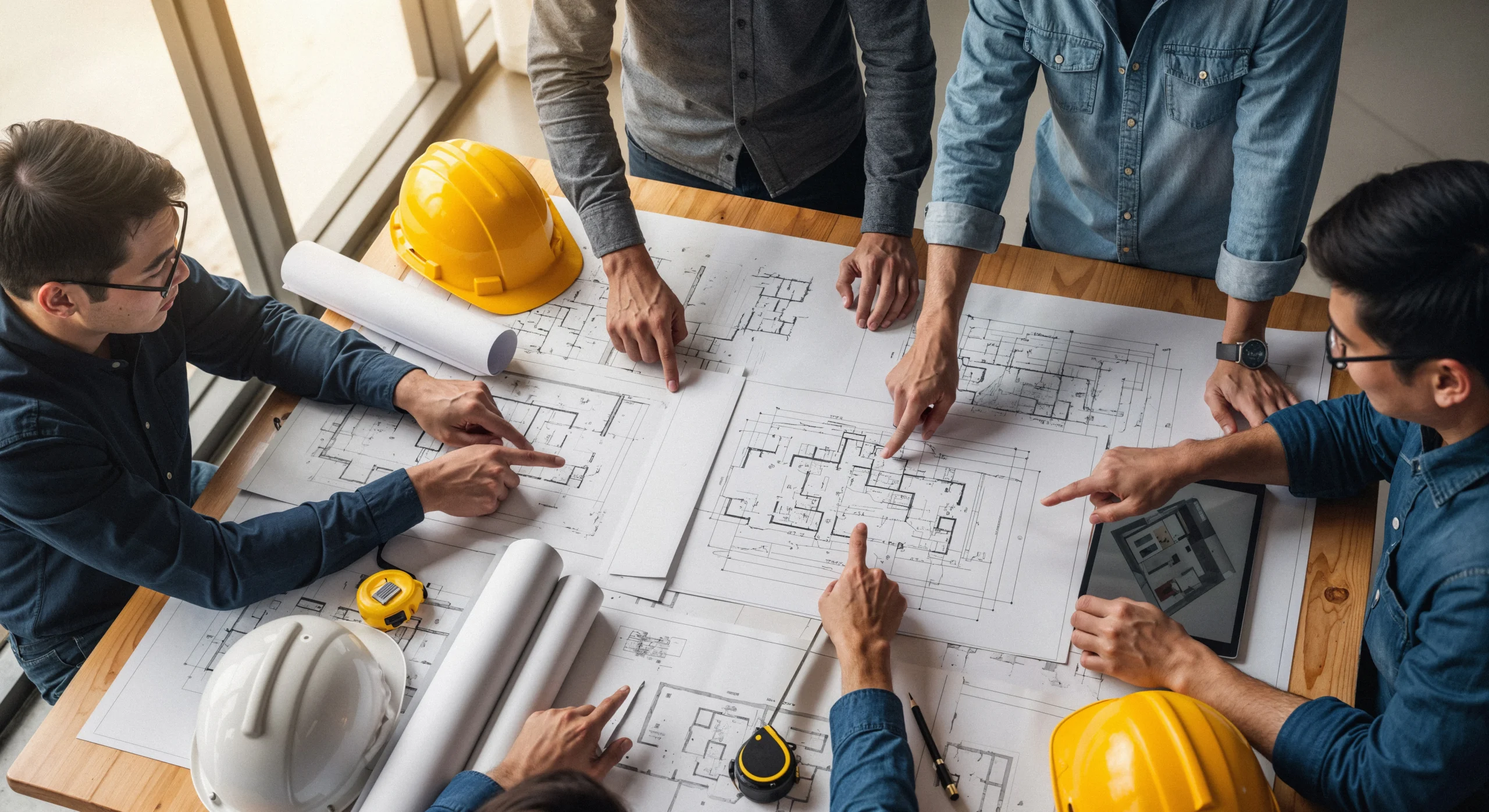
At JPS Construction, this relationship is at the heart of every project. Not as a formality, but as a day-to-day conversation. Sometimes over emails and plans, sometimes out on site in hard hats—about how to turn an architect’s vision into a finished home or building that feels exactly as it should.
The Meeting of Two Worlds
Architects tend to start with the bigger picture. They see how light falls into a room, how people will move through it, and how different elements will connect visually and practically. Builders, on the other hand, live in the world of physical limits and structural demands. We know what a certain type of wall will cost, how a particular timber will react to weather, and where a pipe can and cannot go.
When those worlds overlap without proper communication, the result can be tension. When they work together, they can create something better than either imagined alone.
That is why a collaborative approach is not simply “nice to have.” It is what makes the difference between a project that struggles and one that comes together naturally.
Starting On the Same Page
Every successful construction begins with clarity. Before the first trench is dug, we take time to sit down with the architect and go through the plans in detail, not in a tick-box way, but with real discussion.
What is the architect’s priority in this design? Is it the openness of the kitchen and living space? The way the building looks from the street? The energy performance of the insulation? Or perhaps the way the floorplan supports the day-to-day flow of the people who will use it? Knowing this early helps everyone understand what cannot be compromised and where there might be room to adapt.
This is also the stage where practical questions get answered. Can a certain finish be sourced within budget? Will a planned feature window require steelwork that changes the structure? It is much easier to address these points before a single material is ordered.
Suggested read: New Home Construction: The Ultimate Checklist for 2025
Keeping the Conversation Going
Of course, plans change once construction begins. It is simply the nature of building work. A material might arrive with a slight variation, the ground might not be as level as expected, the land cost might influence certain choices, or a client may decide they want to tweak a layout.
In these moments, a collaborative approach shows its worth. Instead of pushing changes through or cutting corners to “just get it done”, we loop the architect into the discussion. This could mean a phone call from the site, a few photos shared instantly, or a quick meeting to weigh up options.
Sometimes these mid-project discussions spark better solutions than the original plan. An alternative material might enhance the look of a room. A minor adjustment in layout could improve the flow of the space. These are the small victories that come from a team pulling in the same direction.
Respecting the Vision, Respecting the Build
A big part of collaboration is respect, and it works both ways. As builders, we respect the work that has gone into the design. Every line and curve is there for a reason, even if it is not obvious at first glance. Architects, in turn, respect the realities of construction: the physics, the tolerances, and the trade knowledge that ensures the finished building will stand solid for decades.
This mutual respect is what allows difficult conversations to happen without conflict. If a certain design detail is not possible as drawn, we do not simply say “no.” We explain why, then suggest alternatives that achieve the same effect. Architects appreciate this because it shows we are on the same side—both wanting the best possible result.
The Role of Craftsmanship
It is one thing to agree on a plan; it is another to deliver it with the level of quality that matches the vision. Construction is full of moments where skill matters—a joint cut so precisely it disappears, a brick course laid perfectly level, a plaster finish that looks flawless in daylight.
When an architect has confidence in the builder’s craftsmanship, they can push their ideas further. They know details will be handled with care. At JPS Construction, this is something we take pride in. Whether we are building a complex extension or a total house makeover, the aim is always to meet the same high standard that the design deserves.
Learning From Each Other
One of the often-overlooked benefits of a strong working relationship between architect and builder is how much both sides can learn.
From the builder’s side, working closely with architects sharpens our eye for proportion, materials, and the subtle ways design influences how people feel in a space. From the architect’s side, seeing construction in progress builds an appreciation for how small changes on paper can have big effects in the real world—in cost, build time, and practicality.
Over time, these shared experiences make the whole process smoother. Each new project begins with a little more understanding than the last.
The Human Side of Building
At the end of the day, buildings are for people. They are places where families grow, businesses thrive, and communities gather. A drawing is a starting point, and construction is the process, but the real measure of success is how the finished space feels to the people who use it.
Keeping that in mind makes it easier to navigate the challenges. When architect and builder remember they are working towards the same human goal, discussions about budget, materials, and schedules feel less like negotiations and more like problem-solving.
Frequently Asked Questions
How does JPS Construction work with architects from the start?
The process usually begins long before any ground is broken. JPS sits down with the architect to understand the vision, the design intent, and the priorities for the build. This early dialogue helps everyone spot potential challenges, agree on practical solutions, and set realistic expectations for timelines and budgets.
What if the design changes once building is underway?
It’s not unusual for ideas to shift as the build takes shape. JPS works with flexibility, teaming up with the architect to tweak things while staying true to the original vision and keeping progress moving. That might mean changing materials, adjusting layouts, or rethinking a few details – all with the aim of getting the best result.
Why is communication so important?
Clear, regular communication stops little hiccups from turning into big problems. By keeping both the architect and the client in the loop, JPS makes sure everyone’s on the same page and decisions can be made quickly and with confidence.
Final Thoughts: A Partnership Worth Building
In the simplest terms, bridging the gap between an architect’s vision and construction excellence comes down to partnership. It is about listening, adapting, and respecting each other’s expertise. It is about sharing both the responsibility and the satisfaction of seeing a project through from first sketches to the moment the keys are handed over.
When that partnership works, everyone benefits—the architect, the builder, and most importantly, the people who will call the finished building their own.
If you are interested in experiencing a partnership that bridges architect vision with construction excellence, get in touch with JPS Construction. You can call our expert team at 01438 900303 info@jpsconstruction.co.uk. Whether you are starting from a first sketch or refining a design that is nearly ready to build, our team is ready to help turn ideas into spaces worth celebrating.